
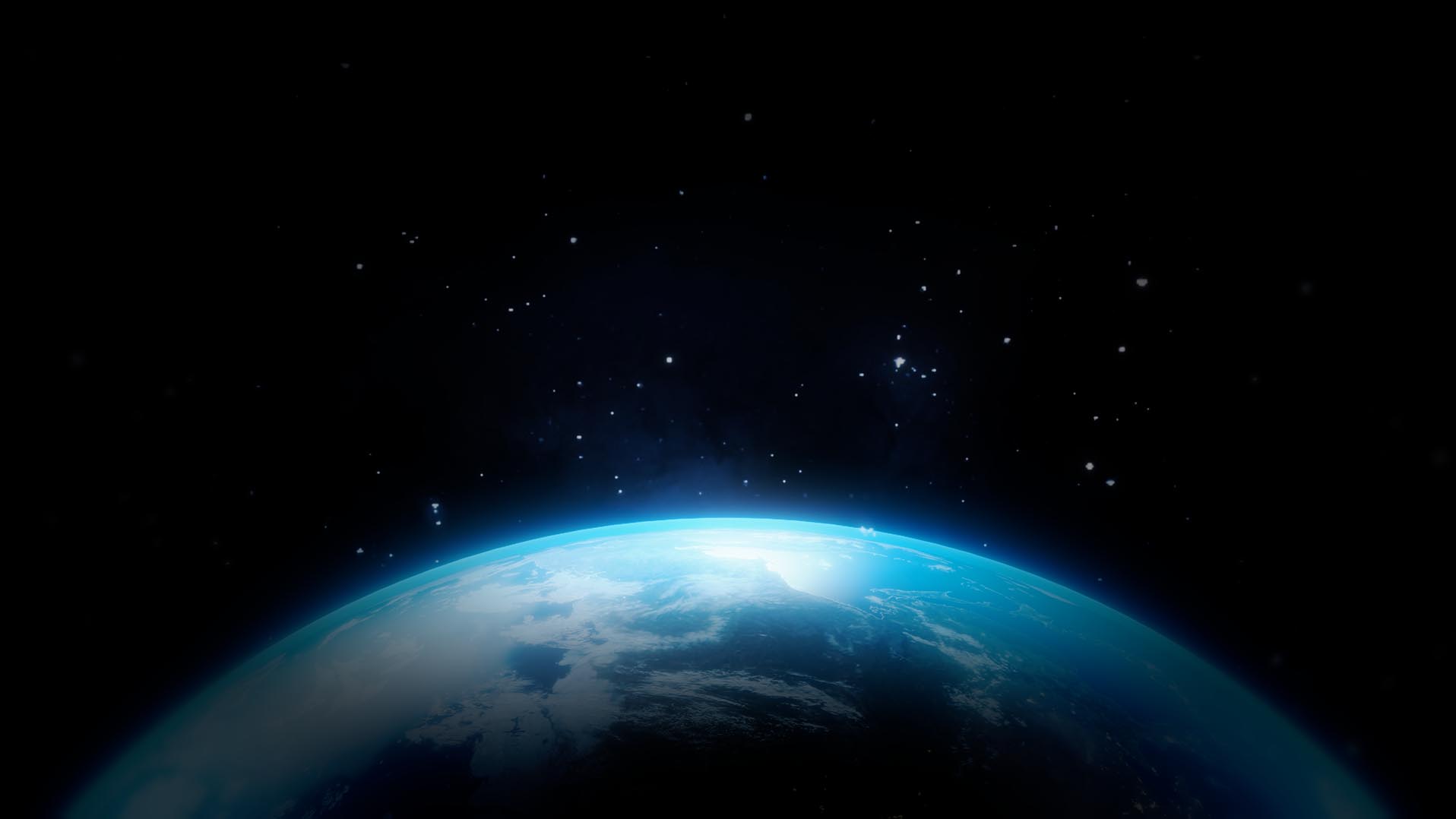

Life Support System:
Earth's unique position in the habitable zone, liquid water oceans, and protective atmosphere create the perfect conditions for life as we know it.
From the tiniest microbes to the largest whales, Earth teems with biodiversity.
The Blue Marble:
Approximately 71% of Earth's surface is covered by water, most of it in vast saltwater oceans. These oceans regulate climate, absorb carbon dioxide, and are home to a vast web of marine life.
Layered Structure:
Earth has a layered structure consisting of the crust (the thin outer layer), the mantle (a thick layer of hot, flowing rock), and the core (a dense, central region composed primarily of iron and nickel).
Active Geology:
Plate tectonics drive the movement of Earth's continents, create mountains, cause earthquakes and volcanic eruptions. These processes continually reshape our planet's surface.
Climate and Weather:
Earth's atmosphere, oceans, and land masses interact in complex ways to create its climate system. Variations in solar radiation, Earth's orbit and tilt, and factors like volcanic activity influence both long-term climate and short-term weather patterns.
Furthermore, Earth's powerful magnetic field protects us from harmful solar radiation and helps create the magnificent auroras.
Human Impact:
Humans are a powerful force shaping the planet. Our activities alter landscapes, influence the climate, and impact ecosystems in diverse ways.
Formation History:
The prevailing theory suggests the Moon formed from debris ejected after a Mars-sized object collided with the young Earth. This collision scenario explains the Moon's relatively low iron content and isotopic similarities with Earth. (since iron would be deeper within earth’s core)
Craters and Seas:
The Moon's surface is heavily cratered, a testament to its bombardment by asteroids and comets. Darker, smoother areas known as "maria" (Latin for "seas") are basins filled with ancient lava flows.
No Atmosphere:
With virtually no atmosphere, the Moon experiences extreme temperature swings and is exposed to radiation and micrometeorite impacts.
Tidal Influence:
The Moon's gravitational pull creates tides on Earth, influencing ocean currents and coastlines.
Phases of the Moon:
As the Moon orbits Earth, different portions of its sunlit side are visible, creating the familiar lunar phases (new moon, crescent, full moon, etc.).
Exploration:
The Moon has been a focus of human exploration, from the first robotic probes to the iconic Apollo missions that landed humans on its surface. Future missions envision a sustained human presence on the Moon.